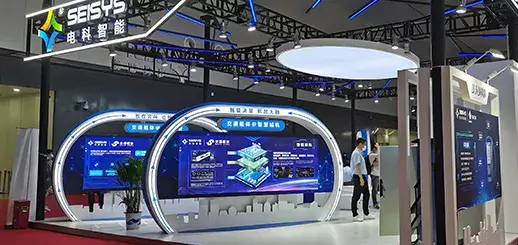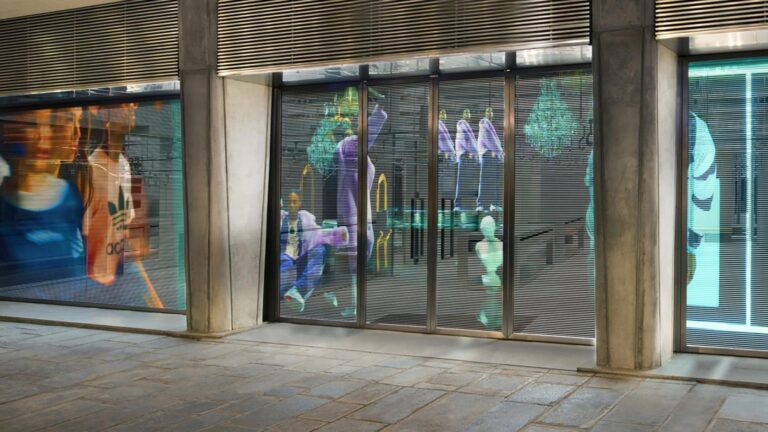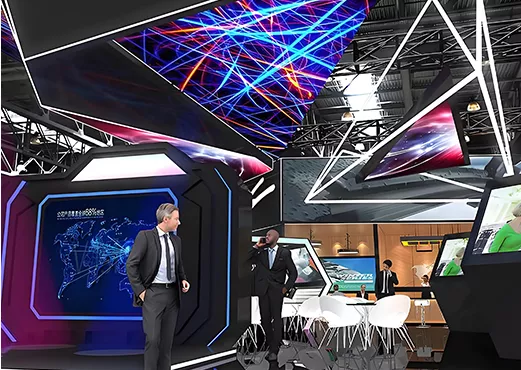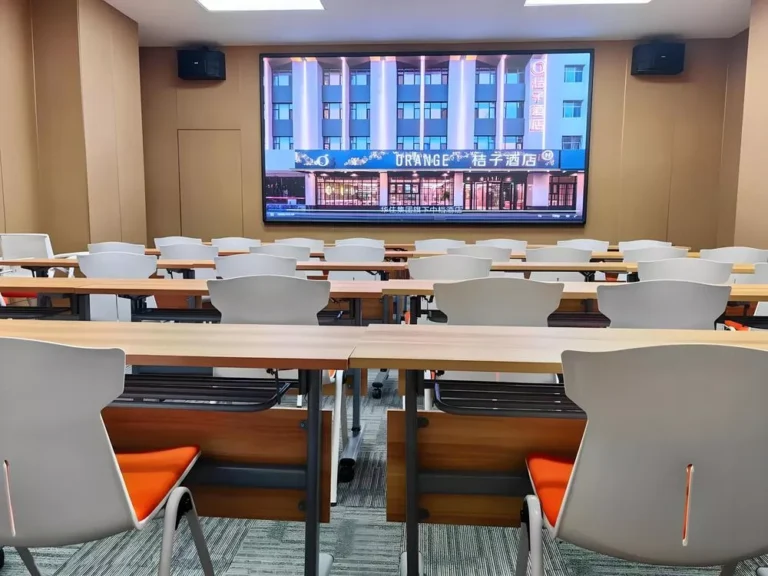
An LED screen is a new type of electronic display device made by arranging light-emitting diodes in a specific order. It consists of tens of thousands to hundreds of thousands of semiconductor light-emitting diode pixels arranged in a uniform pattern. It utilizes the principle of electroluminescence from semiconductor P-N junctions to produce red, green, and blue colors, thereby displaying various types of information such as text, graphics, images, animations, market data, videos, and video signals. Due to their high brightness, wide viewing angles, and long service life, LED screens are being widely used in products such as indoor and outdoor advertising displays. So, what exactly is an LED screen? And how much does an LED screen cost per square meter? Next, the NPL editorial team will provide a detailed introduction!
LED displays can be used not only in indoor environments but also in outdoor settings, offering advantages that projectors, video walls, and LCD displays cannot match. The widespread attention and rapid development of LED screens are inseparable from their inherent advantages. These advantages can be summarized as high brightness, low operating voltage, low power consumption, compact size, long lifespan, impact resistance, and stable performance. The development prospects for LED screens are extremely broad, and they are currently evolving toward higher brightness, greater weather resistance, higher luminous density, improved luminous uniformity, enhanced reliability, and full-color capabilities.
Regarding the price of LED screens, it is influenced by various factors, including pixel pitch, LED chip brand, packaging line, and brand. Different specifications and configurations result in price variations. For example, P0.9 and P1.25 displays generally cost between 10,000 and 18,000 yuan per square meter, while P1.6 and P1.8 displays typically range from 4,000 to 9,000 yuan per square meter. P2 and P2.5 displays usually cost between 3,000 and 6,000 yuan per square meter. These prices are for reference only; actual prices may vary depending on market supply and demand, installation methods, manufacturing processes, brand, operating environment, after-sales service, and other factors.
In addition, LED screens have a wide range of applications, covering almost every aspect of daily life. Here are some common application scenarios:
Commercial Advertising: LED screens are very common for advertising displays in indoor venues such as shopping malls, supermarkets, and restaurants, where their high resolution and brightness attract more customers. Meanwhile, outdoors, LED screens are often used as billboards, capable of withstanding various weather conditions.
Sports Venues and Events: LED displays are used in sports stadiums, concerts, theaters, and other large-scale events for live broadcasts, real-time score updates, and video playback, providing audiences with a better viewing experience.
Transportation: At transportation hubs such as highways, bridges, and tunnels, LED displays can show real-time traffic conditions, vehicle routing instructions, and traffic signals, helping drivers stay informed. Additionally, LED displays are commonly found on public transportation vehicles, traffic lights, parking lots, and other transportation facilities to provide navigation and informational prompts.
Information Display: In public spaces such as schools, hospitals, banks, and hotels, LED displays can broadcast various types of information, including notifications, announcements, and news, making it convenient for the public to access real-time updates.
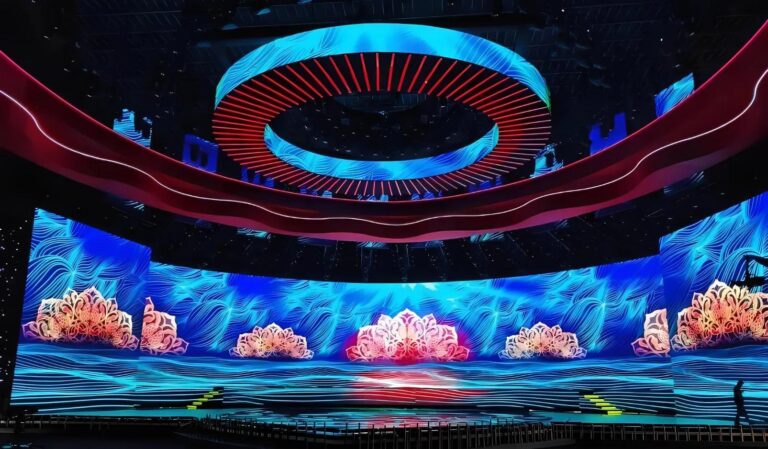
Stage Performances: In stage performances, LED displays serve as backdrops, stage curtains, and special effects, enriching the stage setting and enhancing the atmosphere.
Conference Rooms: LED displays are also widely used in the conference display sector. They not only provide high-definition image display but also bring greater interactivity and convenience to conference rooms.
Financial Sector: In banks, stock exchanges, and other financial institutions, LED displays are used to show stock market trends, exchange rates, and other financial information.
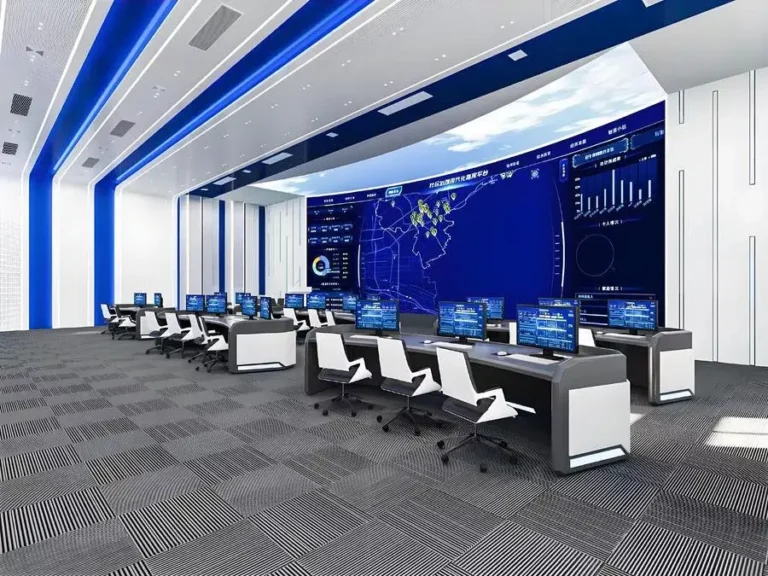
In addition, LED displays are widely used in building facades, command centers, education, healthcare, and many other fields. With the continuous advancement of LED technology, the application scenarios for LED displays will continue to expand, bringing more convenience and benefits to people’s lives.