Imagine you’re watching a high-definition movie with vibrant colors and rich details. Suddenly, the image turns into a blurry gray—wouldn’t you be disappointed? This is the difference between P3 and P4 LED screens. In this article, the NPL editorial team will explore the distinctions between P3 and P4 LED screens in detail, covering three aspects: basic concepts, performance differences, and practical applications.
I. Bsics of LED Screens
An LED screen is a display panel constructed using light-emitting diodes (LEDs) as pixels. LED screens offer advantages such as high brightness, low energy consumption, and a long service life, making them widely used in various display applications. The brightness of an LED screen is typically measured in nits (nit), which represents the brightness of pixels per square meter.
II. The Difference Between P3 and P4
P3 and P4 are two common brightness grades for LED screens, and the main difference between them lies in the brightness per square meter of pixels. P3 has a brightness of 150 nits, while P4 has a brightness of 300 nits. This means that for the same display area, P4 screens have higher overall brightness and display richer colors and details.
LED Screens
III. Practical Application Scenarios
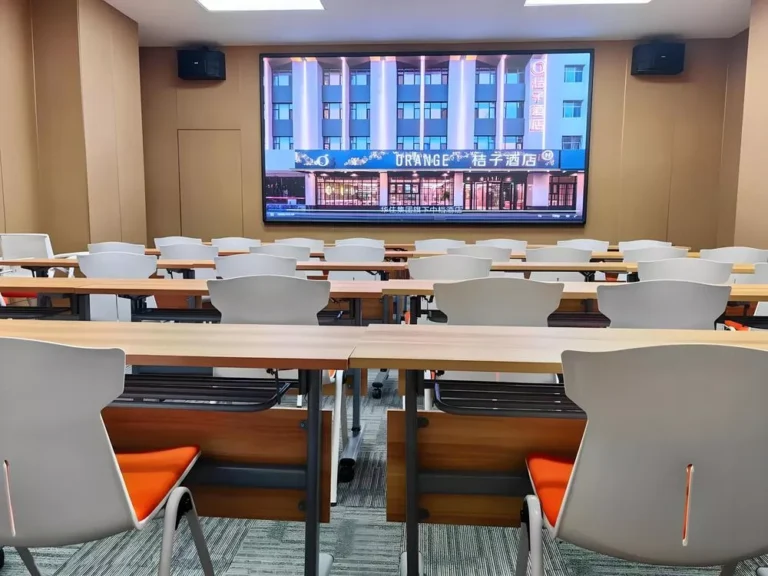
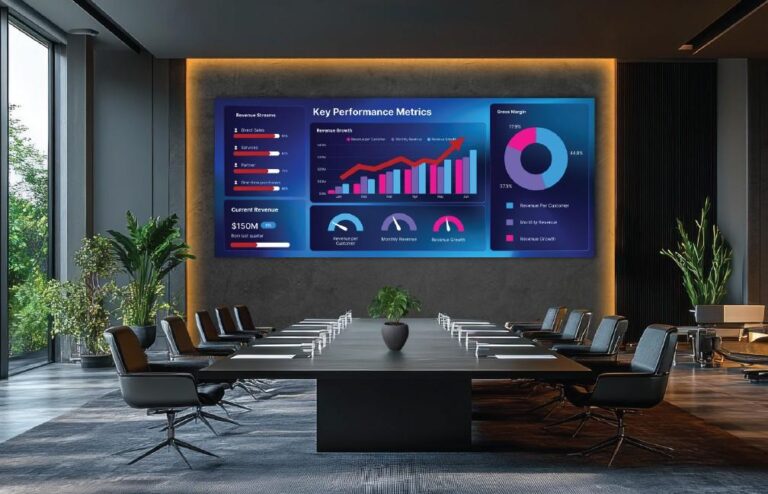
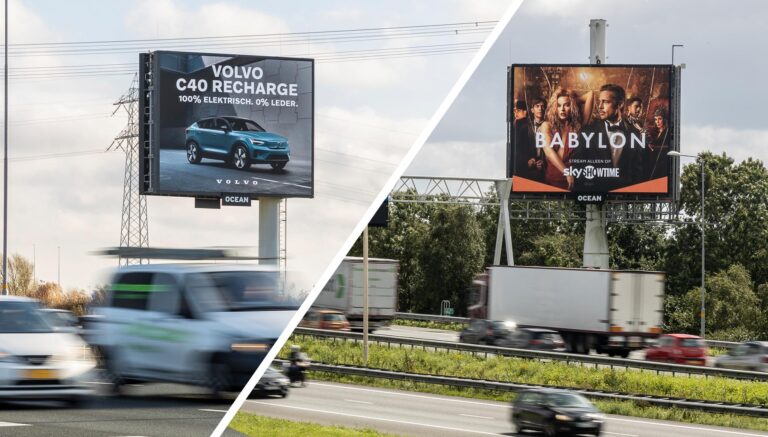
Commercial Displays: In the commercial sector, LED screens are widely used for advertising displays, large screens in conference halls, and shopping mall wayfinding systems. The differences between P3 and P4 screens in commercial applications are primarily reflected in brightness and color performance. For example, in bright outdoor settings, P4 screens maintain clear visibility thanks to their higher brightness, whereas P3 screens may suffer from color distortion or blurriness.
Home Entertainment: With technological advancements, LED screens are becoming increasingly common in homes. For movie enthusiasts seeking high-definition picture quality, P4 screens offer finer detail and richer colors, delivering a more realistic viewing experience.
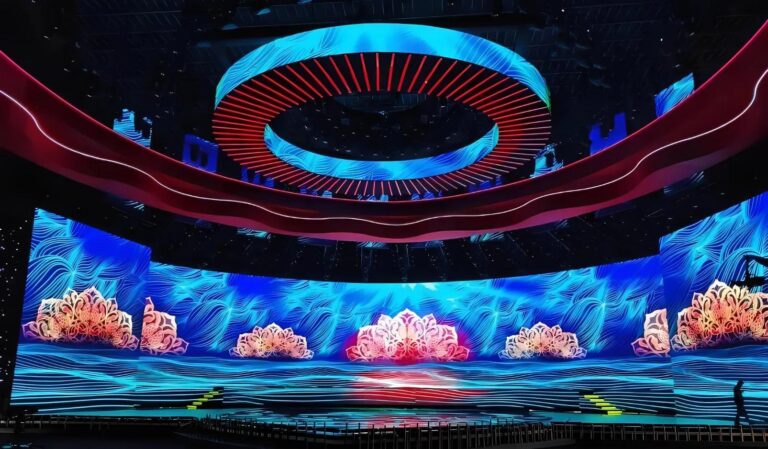
Stage Performances: Stage performances require precise lighting control and high-quality visual effects. P4 screens, with their higher brightness and superior color reproduction, provide a more stunning visual impact for stage productions.
IV. Conclusion
The differences between P3 and P4 LED screens primarily lie in brightness and color performance. With its higher brightness and richer colors, the P4 screen delivers a superior visual experience. In fields such as commercial displays, home entertainment, and stage performances, the use of P4 screens yields outstanding results.
As technology continues to advance, LED screens will achieve higher brightness levels and more realistic color reproduction. In the future, we can anticipate that P4 screens will become more widespread and dominate the market. For consumers, selecting the appropriate LED screen brightness level will better meet their visual needs.