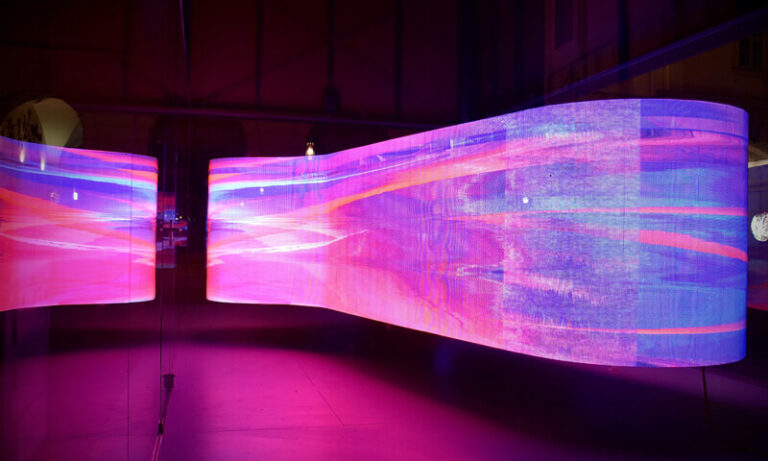
An LED digital display is a screen that uses light-emitting diodes (LEDs) as its display elements. It is commonly used in outdoor settings, such as billboards, stations, and plazas. It is a flat-panel display product composed of tens of thousands to hundreds of thousands of semiconductor light-emitting diode (LED) pixels arranged in a uniform pattern. By utilizing different semiconductor materials, LED pixels of various colors can be produced to display a wide range of information, including text, graphics, images, animations, market data, videos, and video signals.
LED digital display
LED digital display screens are advanced display devices with many unique advantages, such as high resolution, vivid colors, wide viewing angles, stable operation, long service life, and low power consumption. These features make LED digital display screens widely used in various settings.
First, the high resolution and vivid colors of LED digital display screens are among their most important advantages. Unlike traditional CRT monitors, each pixel on an LED display consists of small red, green, and blue diodes, enabling it to produce more realistic, nuanced colors and high-definition images. Additionally, LED displays offer superior color vibrancy compared to other display technologies, making them ideal for presenting various types of images and videos in diverse settings.
Second, the wide viewing angle of LED digital displays is another standout advantage. Since each pixel on an LED display consists of multiple small diodes, the viewing angle can be exceptionally wide. Even when viewed from the side, the content on the screen remains clearly visible, making LED displays ideal for use in large-scale venues such as public squares and sports stadiums.
Furthermore, the operational stability of LED digital displays is another crucial advantage. Since the pixels in an LED display are semiconductor devices, they offer excellent operational stability and do not suffer from issues like unstable electron beams, as seen in traditional CRT monitors. This allows LED displays to operate stably for extended periods and ensures consistent image quality.
At the same time, the long lifespan and low power consumption of LED digital displays are also key advantages. Since the pixels in LED displays are semiconductor devices, they have an exceptionally long lifespan, typically lasting between 50,000 and 100,000 hours, or even longer. Furthermore, LED displays consume relatively little power, making them particularly suitable for various settings requiring extended display periods.
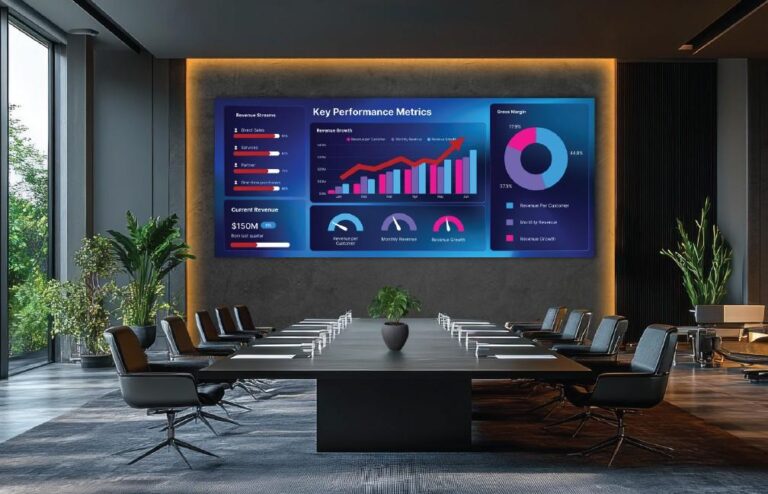
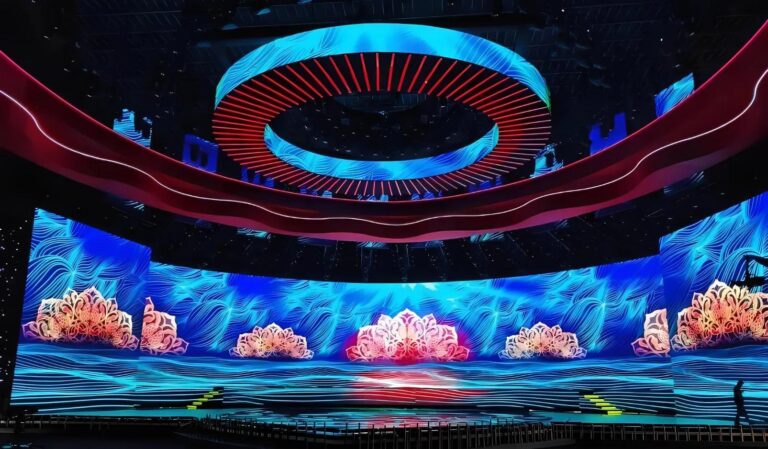
Furthermore, LED digital displays offer other benefits, such as low-voltage DC power supply, high reliability, strong environmental adaptability, excellent cost-performance ratio, and low operating costs. These advantages make LED digital displays a highly cost-effective and reliable display solution, widely used in various settings including digital advertising, outdoor media, sports venues, performance stages, and conference rooms. For example, in billboards, LED digital displays can show various advertising messages and promotional slogans; in sports venues, they can display real-time game scores and match information; on performance stages, they can serve as backdrops to display various images and videos; and in conference rooms, they can function as alternatives to projectors, displaying presentations and data.
Overall, LED digital displays are high-quality, efficient, and highly reliable digital display devices with broad application prospects and development potential.