What are the different types of LED display models? How are they classified? What are their typical applications? Today, the Lianchengfa editorial team will take you through all of this!
LED Display Models
LED display models are primarily classified in the following ways:
By color:
monochrome, dual-color, and full-color LED displays. Monochrome LED displays are primarily used for displaying text, dual-color LED displays can display red and green, while full-color LED displays can display all colors.
Classified by usage environment:
indoor, outdoor, and semi-outdoor LED displays. Indoor LED displays are generally used in indoor venues such as conference rooms and exhibition halls, outdoor LED displays are used for outdoor advertising and shopping malls, while semi-outdoor LED displays fall between indoor and outdoor applications.
Classified by pixel pitch:
LED displays with different pixel pitches are suitable for different application scenarios; the smaller the pixel pitch, the higher the display clarity. Common pixel pitches include P2, P2.5, P3, P4, P5, P6, and others.
Specifically, LED display models and classifications primarily include the following types:
Indoor Fine-Pitch LED Displays:
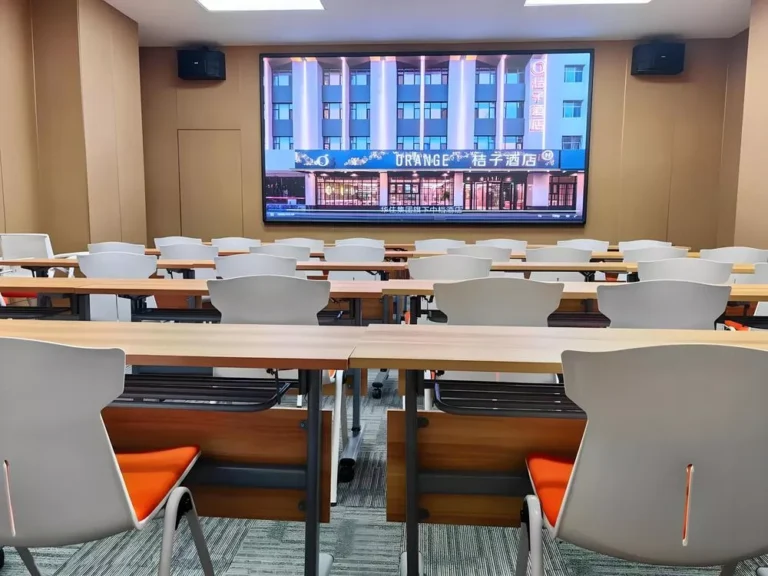
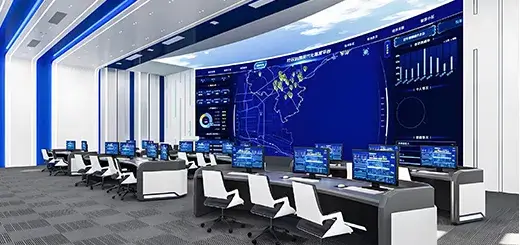
With a pixel pitch generally below P2, these are primarily used for high-definition indoor displays in venues such as conference rooms, command centers, and exhibition halls.
Outdoor LED Displays:
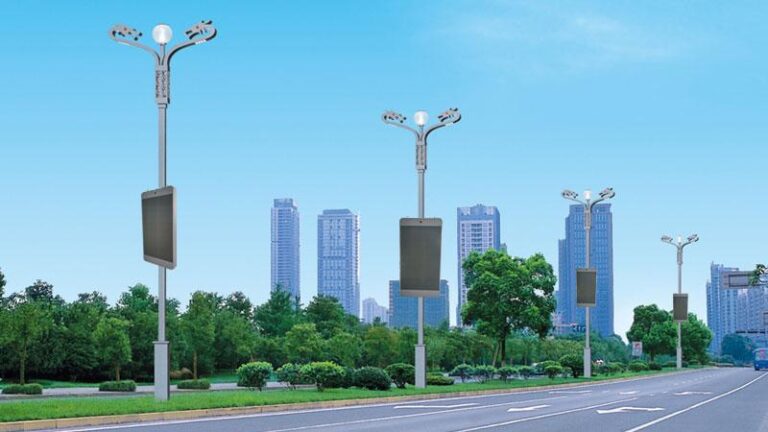
With a pixel pitch generally at P4 or above, these are primarily used for outdoor advertising, shopping malls, and transportation hubs.
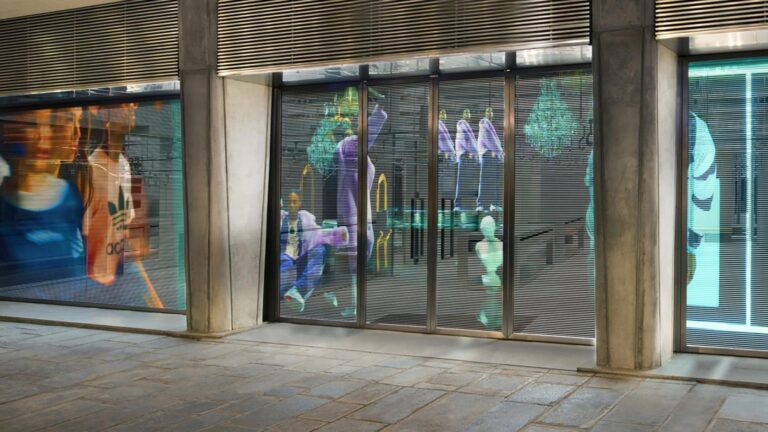
Transparent LED displays:
These feature a translucent effect and are primarily installed behind glass without affecting the glass’s transparency. They are suitable for locations such as shopping malls and exhibition halls.
In addition, there are LED displays with special shapes, such as spherical and curved screens, which are suitable for specific application scenarios.
Different models of LED displays are suited for different application scenarios. Below are the application scenarios for some common LED display models:
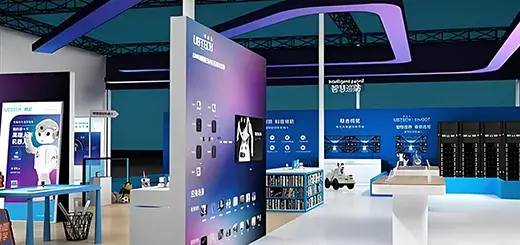
1. Fine-pitch LED displays: Suitable for indoor venues such as conference rooms, exhibition halls, and command centers, used for high-definition display of text and images.
2. Outdoor LED displays: Suitable for outdoor advertising, shopping malls, stations, and similar locations, used to display advertisements and promotional information.
3. Transparent LED displays: Featuring a see-through effect, these can be installed behind glass curtain walls or storefronts to display advertisements, promotional messages, or artistic installations.
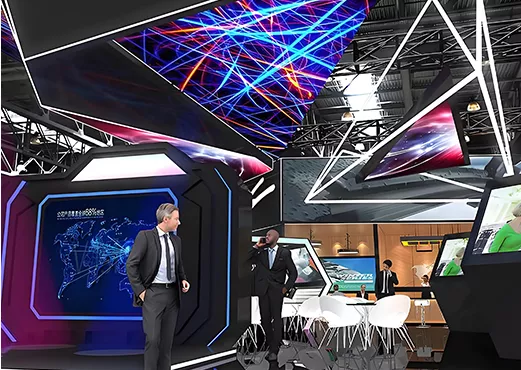
4. Creative LED displays: These include special-shaped models such as spherical screens, curved screens, and cube screens, which are suitable for unique applications such as exhibition halls, science museums, and art galleries.
In summary, different models of LED displays each have their own specific application scenarios, and the appropriate choice can be made based on actual needs.
The above is an overview of LED display models compiled by the NPL editorial team. We hope this information is helpful, and we welcome your feedback or corrections. NPL is a national-level “Specialized, Refined, Unique, and Innovative” (SRUI) “Little Giant” enterprise and an integrated provider of LED display applications and solutions combining “hardware + software + content + interaction.” If you are interested in purchasing LED displays, please feel free to contact NPL directly. As a leading national brand, we are a trusted partner!