Choosing the right LED display can be challenging, especially if it’s your first project. With so many options available—different pixel pitches, brightness levels, cabinet designs, and installation methods—it’s easy to feel overwhelmed.
Whether you’re planning an outdoor billboard, a shopping mall display, a sports stadium screen, or a church LED wall, selecting the right solution is essential for achieving the best visual performance and long-term value.
This guide explains the key factors you should consider before buying an LED display.
1. Determine Where the LED Display Will Be Installed
The first step is understanding your application.
Different environments require different LED display solutions.
Outdoor LED Displays
Outdoor LED screens are ideal for:
- Digital billboards
- Highway advertising
- Shopping malls
- Stadiums
- Transportation hubs
- Building facades
Outdoor LED displays require:
- High brightness (5,500–10,000 nits)
- Waterproof protection (IP65 or above)
- UV resistance
- Wide operating temperature range
Indoor LED Displays
Indoor LED screens are commonly used in:
- Conference rooms
- Retail stores
- Shopping centers
- Churches
- Exhibition halls
- TV studios
- Control rooms
Indoor displays prioritize:
- Fine pixel pitch
- Excellent image quality
- Lower brightness
- Slim cabinet design
2. Choose the Right Pixel Pitch
Pixel pitch is one of the most important specifications when buying an LED display.
The smaller the pixel pitch, the higher the image resolution and the closer viewers can stand to the screen.
| Pixel Pitch | Recommended Viewing Distance |
|---|---|
| P1.25 | 1–2 m |
| P1.53 | 1.5–3 m |
| P1.86 | 2–4 m |
| P2.5 | 2.5–6 m |
| P3 | 3–8 m |
| P4 | 4–10 m |
| P5 | 5–12 m |
| P6 | 6–15 m |
| P8 | 8–20 m |
| P10 | 10 m+ |
For indoor applications, fine-pitch LED displays such as P1.25, P1.53, or P1.86 provide outstanding image quality.
For outdoor advertising, P4, P5, P6, or P8 are often the most cost-effective choices.
3. Consider Brightness
Brightness determines how well your content remains visible under different lighting conditions.
Typical recommendations are:
- Indoor LED display: 600–1,000 nits
- Semi-outdoor display: 2,000–3,500 nits
- Outdoor LED billboard: 5,500–10,000 nits
Higher brightness ensures excellent visibility even in direct sunlight.
4. Front Maintenance or Rear Maintenance?
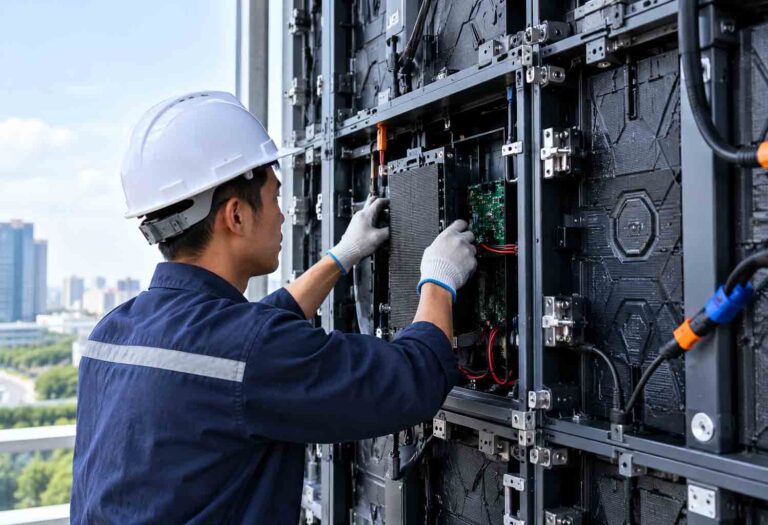
Maintenance access is often overlooked but becomes very important after installation.
Front Maintenance
Advantages:
- Ideal for wall-mounted installations
- Saves installation space
- Easier maintenance in urban locations
- Lower long-term maintenance costs
Best for:
- Shopping malls
- Retail stores
- Airports
- Building facades
Rear Maintenance
Advantages:
- Lower initial cost
- Suitable when sufficient rear access is available
- Easy installation for large outdoor structures
Best for:
- Billboards
- Stadiums
- Pole-mounted displays
5. Select the Right Cabinet Material
Cabinet quality directly affects durability and installation efficiency.
Steel Cabinets
Advantages:
- Economical
- Strong structure
- Suitable for fixed installations
Die-Cast Aluminum Cabinets
Advantages:
- Lightweight
- Excellent heat dissipation
- High precision
- Easy maintenance
- Perfect for rental LED displays
6. Waterproof Rating Matters
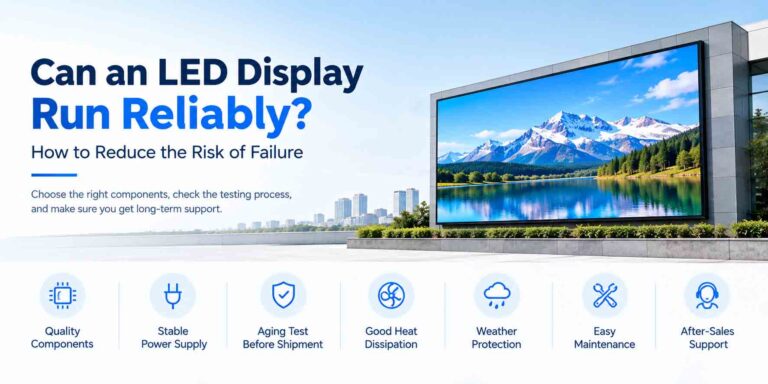
Outdoor LED displays should have proper waterproof protection.
Recommended ratings:
- IP65: Standard outdoor protection
- IP66: Enhanced protection against heavy rain and dust
Indoor LED displays generally use IP30 or IP40 ratings.
7. Refresh Rate Is Important
A higher refresh rate produces smoother images and eliminates flickering during video playback or live broadcasting.
Recommended refresh rates:
- Standard commercial applications: ≥1920Hz
- High-end advertising: ≥3840Hz
- TV studios and live broadcasting: 3840Hz–7680Hz
8. How Much Does an LED Display Cost?
The cost of an LED display depends on several factors, including:
- Pixel pitch
- Screen size
- Cabinet material
- Brightness
- Refresh rate
- Waterproof level
- Installation method
- Control system
- Project location
Instead of focusing only on the initial purchase price, consider the total cost of ownership, including energy consumption, maintenance, and expected lifespan. A high-quality LED display often delivers better long-term value through lower maintenance costs and greater reliability.
9. Questions You Should Ask Before Buying
Before placing an order, ask your supplier:
- Which pixel pitch is best for my project?
- What brightness do I need?
- Is front maintenance available?
- What certifications does the product have?
- What warranty is included?
- Are spare modules and power supplies provided?
- Can the screen be customized?
- What technical support is available after installation?
A professional supplier should be able to answer all of these questions clearly.
Why Choose NPLLED?
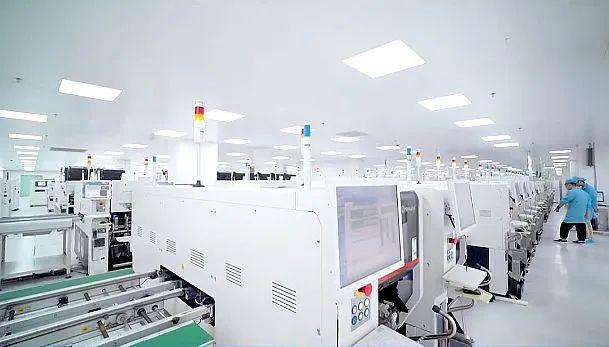
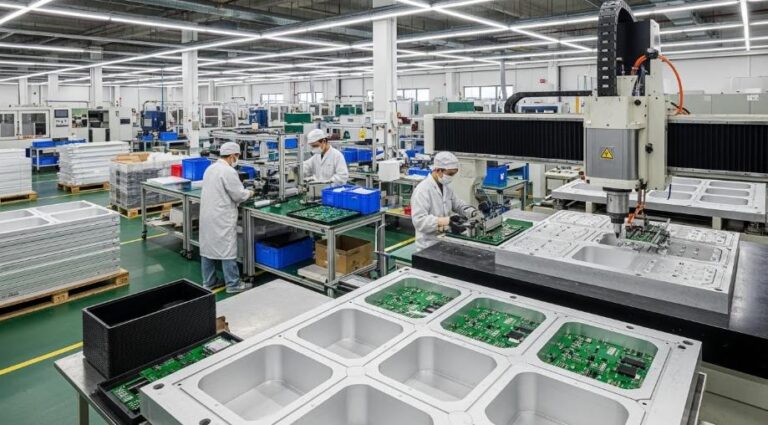
At NPLLED, we specialize in manufacturing reliable LED display solutions for customers worldwide.
Our advantages include:
- Over 12 years of manufacturing experience
- Indoor and outdoor LED display solutions
- Custom OEM & ODM services
- CE, FCC, and RoHS certified products
- Strict quality control and aging tests before shipment
- Professional technical support
- Fast production and worldwide delivery
Whether you need an LED billboard, a retail display, a rental LED screen, or a sports stadium solution, our experienced team can help you choose the right product for your project.
Conclusion
Selecting the right LED display is about more than just comparing prices. By understanding your installation environment, viewing distance, brightness requirements, maintenance needs, and long-term operating costs, you can make a more informed investment.
If you’re unsure which LED display best fits your project, our team is ready to provide expert recommendations based on your application and budget.